
Fremont County Criminal Court Records
A Fremont County criminal court record is the case file kept by the Colorado Judicial Branch after a criminal case opens in court. The file may include the complaint or information, advisement and arraignment entries, bond actions, motions, hearing minutes, plea paperwork, trial entries, disposition, sentence, probation terms, restitution, warrants, and appeal activity. The Clerk of Court at Fremont Combined Court is the local judicial clerk for these records. Cristy James is listed by the Colorado Judicial Branch as Clerk of Court and Probate Registrar, and the court's general contact route is used for record and document questions.
Criminal jurisdiction in Fremont County is split by case type. District Court handles felony criminal matters after filing or bindover, while County Court handles misdemeanors, traffic offenses, felony complaints before transfer, protection orders, and many first appearances. Cañon City and Florence municipal courts may hold city ordinance or local traffic matters that do not appear in the state court path. That split matters when reading a Fremont County criminal case file because the first record may be a County Court advisement, while the later felony file may be in District Court.
The Colorado DMV driving-record questions form is separate from Fremont County criminal court records, but it shows why court outcomes and state agency records should not be confused.
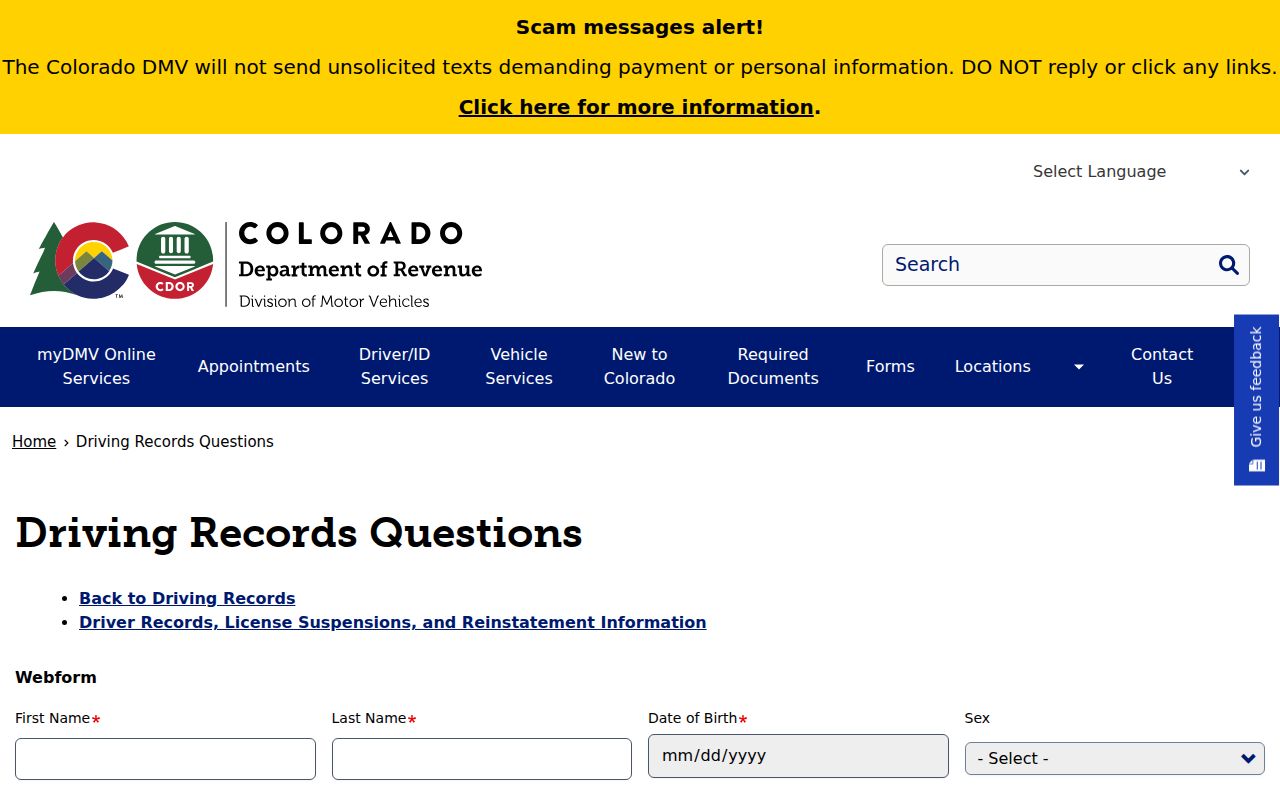
A criminal traffic conviction may later affect a driver history, but the court file remains the source for charges, pleas, and sentencing entries.
Search Fremont County Criminal Records
The free starting point is the Colorado Judicial Branch docket search, which can find hearing schedule information by judicial district, county, courthouse, and date. For Fremont County criminal court records, use the 11th Judicial District, Fremont County, and Fremont Combined Court where those filters fit the case. The docket search is not the full case file. It is best for hearing dates, courtroom listings, and current schedule checks.
- Start with the Colorado Judicial Branch docket search when the goal is a hearing date or court setting.
- Use Fremont County, Fremont Combined Court, and the date of interest, plus at least one added filter.
- Use the record and document request form when a copy of a pleading, order, disposition, or sentence is needed.
- Enter the case number when known, or supply names, criminal case type, and filing year.
- Contact Fremont Combined Court if the file may be suppressed, sealed, old, or tied to protected information.
CoCourts and Colorado State Courts Data Access are additional statewide routes for public case data. CoCourts describes its search as a court-record route with a register of actions, while State Courts Data Access says it contains court data only and not case documents. Copies still run through the court request process or direct clerk contact. For a narrower focus on filed counts and charge status, use the Fremont County arrest records and court charges page.
The Colorado State Public Defender explains the defense role in criminal cases after charges are filed.

Public defender activity may appear in the court file as an attorney entry, motion, hearing, or sentencing event.
Fremont County Criminal Case Flow
Criminal court records are chronological. A Fremont County case may start with an arrest, summons, or complaint, but the court record takes shape when formal allegations are filed and the defendant appears before the court. The register of actions or docket entries can show each hearing, continuance, order, motion, plea, and review. A later disposition may resolve only some counts, so every charge line should be read with its own status.
Case flow: Charges Filed › Arraignment › Pretrial / Motions › Plea or Trial › Disposition › Sentencing
| Stage | What Happens |
|---|---|
| Advisement or arraignment | The court advises the defendant of rights, charges, bond status, and plea options. |
| Pretrial and motions | Attorneys file requests, negotiate, exchange information, and set hearings or trial dates. |
| Plea or trial | The case resolves by plea, bench trial, jury trial, acquittal, dismissal, or other disposition. |
| Sentencing and review | The court records jail, probation, fines, costs, restitution, compliance reviews, or revocation events. |
The Colorado State Public Defender office locator routes eligible defense applicants by county.
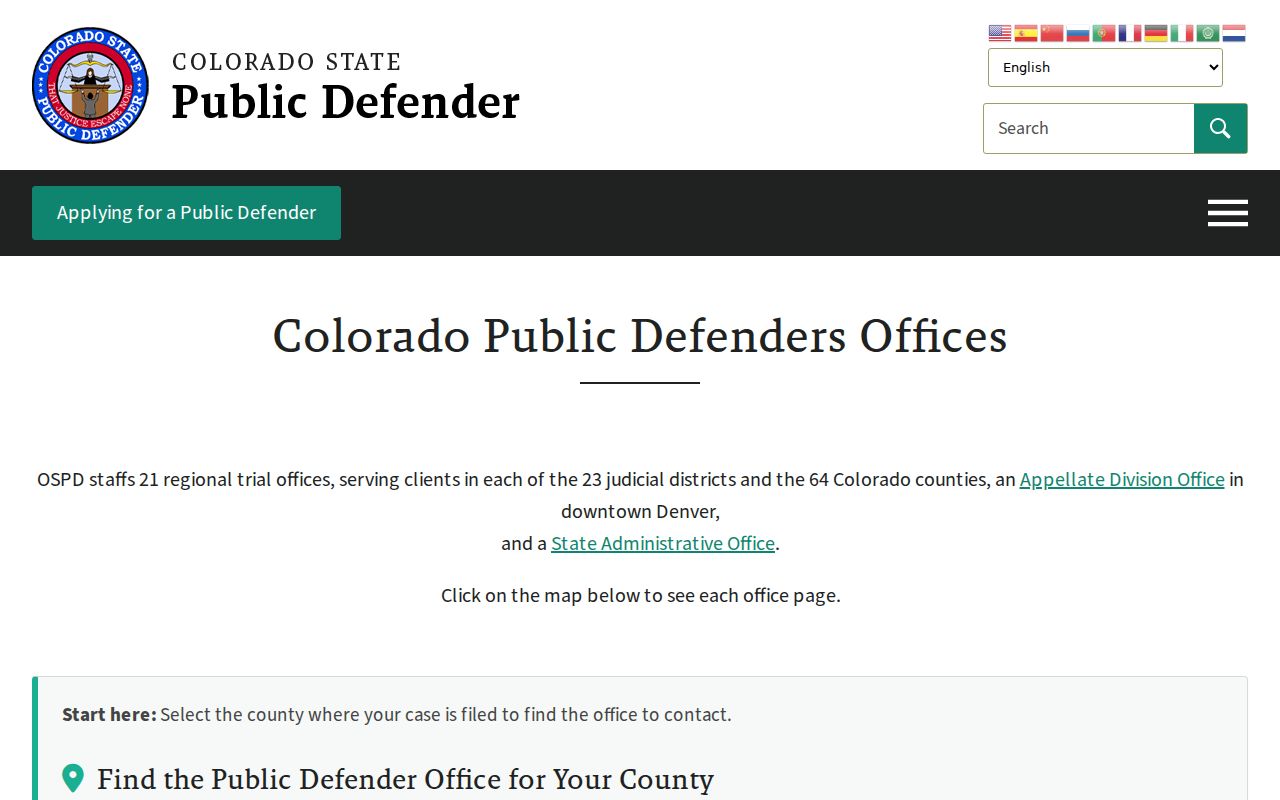
Attorney assignment and public defender applications can affect scheduling, plea talks, motions, and case status entries.
What Fremont County Criminal Records Show
A Fremont County criminal court record can show both high-level case data and the documents filed in the case. Docket search is schedule-focused, while the record request form is the better route for copies. The case file may include complaint or information, summons, warrant, bond order, motions, responses, court minutes, plea paperwork, sentencing order, probation terms, restitution, payment obligations, and appeal entries.
| Field | What It Shows |
|---|---|
| Case number | Year and case-type coding used by the court, with an example format such as 2019T999999 in state forms. |
| Case type | Felony, misdemeanor, traffic, protection order, juvenile, or another category shown by the court system. |
| Parties and attorneys | Defendant, prosecutor, defense attorney, public defender, or other counsel of record. |
| Charges and counts | Separate alleged offenses, charge text, severity level, and later amendment or dismissal entries. |
| Events and hearings | Advisement, arraignment, bond hearing, motions, continuance, trial setting, plea, and sentencing. |
| Disposition and sentence | Dismissal, guilty plea, conviction, acquittal, deferred sentence, probation, jail, restitution, costs, or fines. |
The Judicial Branch public defender application page lists adult and juvenile application forms.
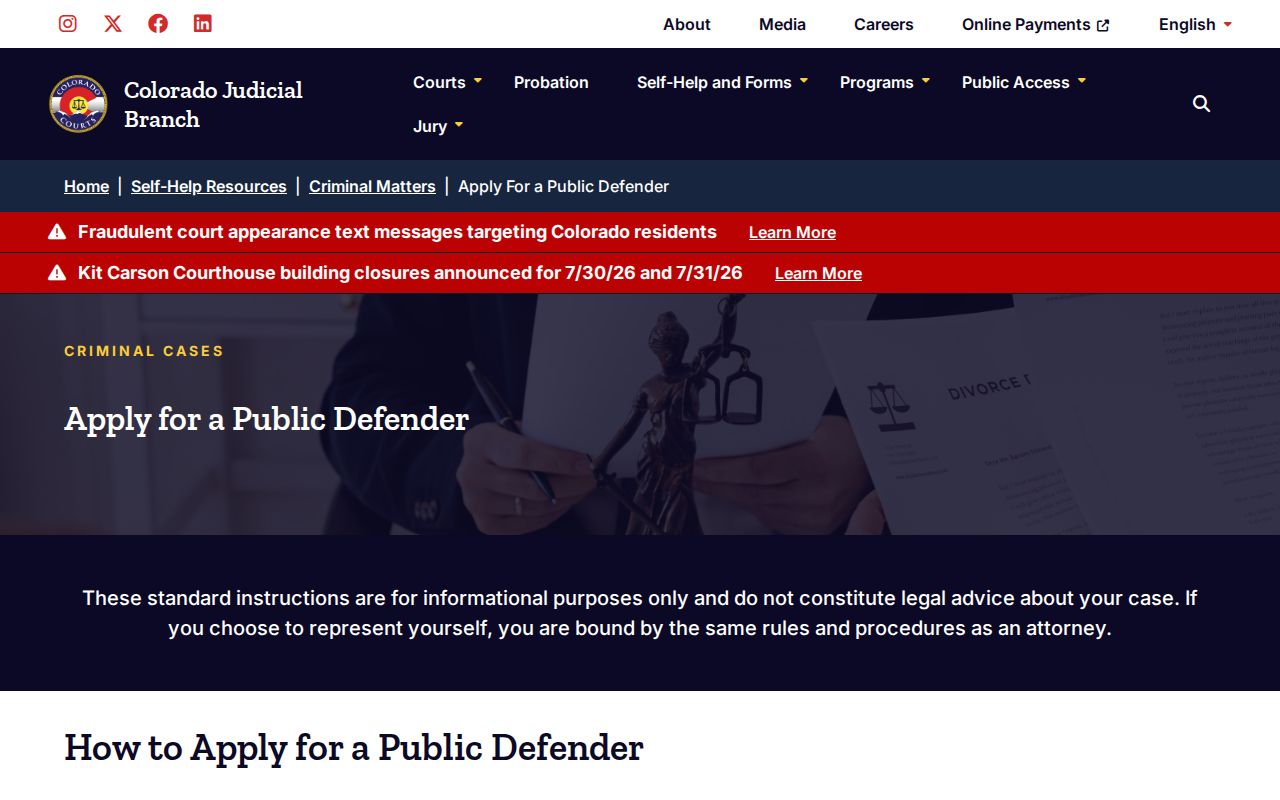
Defense eligibility paperwork is not the same as a criminal case record, but related appointment entries can appear in the docket.
Charges vs. Convictions
A charge is an accusation filed or carried into court. A conviction is an outcome after a guilty plea, guilty verdict, or other qualifying judgment. Fremont County criminal court records may show charges that were amended, reduced, dropped, dismissed with prejudice, dismissed without prejudice, or resolved by a plea to a different count. For that reason, the final disposition and sentence fields matter more than the first charge headline.
| Charge | Conviction | |
|---|---|---|
| Record point | Appears when an offense is alleged in a complaint, information, or court entry. | Appears when the case or count ends in a guilty plea or finding. |
| Meaning | An accusation, not proof of guilt. | A court outcome that can carry sentence, fine, probation, or restitution terms. |
| Reading tip | Check status words such as amended, dismissed, pending, or reduced. | Check the sentence, date, and whether other counts were dismissed. |
Note: A public charge entry should not be treated as a finding of guilt unless the disposition supports that reading.
Read Fremont County Sentences
Disposition means the case or count outcome. Common outcomes include guilty plea, conviction after trial, acquittal, dismissal, deferred sentence, or judgment on a reduced charge. Sentencing entries can add jail, probation, fines, court costs, restitution, treatment, no-contact terms, or compliance reviews. Probation can create later records when a review, revocation, restitution issue, or modification is filed. A bench warrant may also appear if a defendant misses a court date or fails to comply.
The Fremont County state and local officials page lists the 11th Judicial District Attorney contact for prosecution matters.
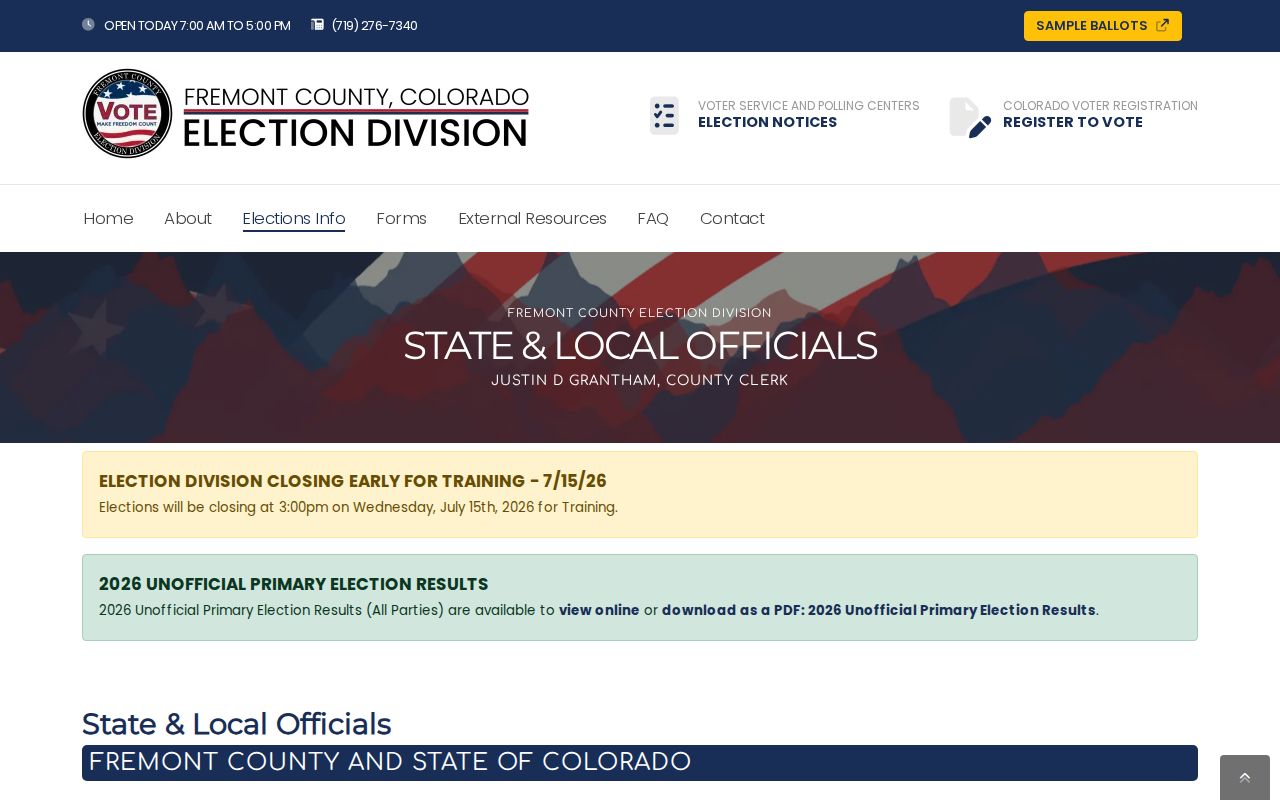
The district attorney's filings and court appearances can affect charges, plea terms, restitution, sentencing, and sealing responses.
Sealed vs. Expunged Records
Colorado sealing restricts public access but does not destroy a criminal record or erase the conviction. Judicial Branch guidance says sealed records may remain available to criminal justice agencies, the court, probation, and the district attorney. Expungement is a different remedy, often tied to juvenile matters or specific statutory categories. Fremont County criminal court records should not be described as gone unless the court order and governing law say so.
| Sealed | Expunged | |
|---|---|---|
| Public access | Restricted from ordinary public view after court order or qualifying process. | Limited or removed from public access when a statute allows expungement. |
| Record status | Record still exists and may remain available to specified justice agencies. | Effect depends on the expungement statute and case type. |
| Fremont filing point | Use the Judicial Branch sealing forms and file in the court tied to the case. | Confirm eligibility through Colorado law, court forms, or legal counsel. |
Access Fremont County Criminal Records
Public access to Fremont County criminal court records is governed by court access rules, Chief Justice Directives, PAIRR, and statutes, not by the county recorder's land-record portal. Criminal justice records held by law-enforcement agencies are handled under the Colorado Criminal Justice Records Act. Administrative county records may fall under CORA. The most practical court-record route is still the Colorado Judicial Branch record request form or direct contact with Fremont Combined Court.
Key Statutes:
C.R.S. 24-72-301 et seq. governs access to criminal justice agency records, subject to exceptions and custodian decisions.
C.R.S. 24-72-201 et seq. covers many administrative public records, but court files use judicial access rules.
The Colorado DMV vehicle record search restrictions page illustrates a separate state-record access framework, outside the Fremont County court file.
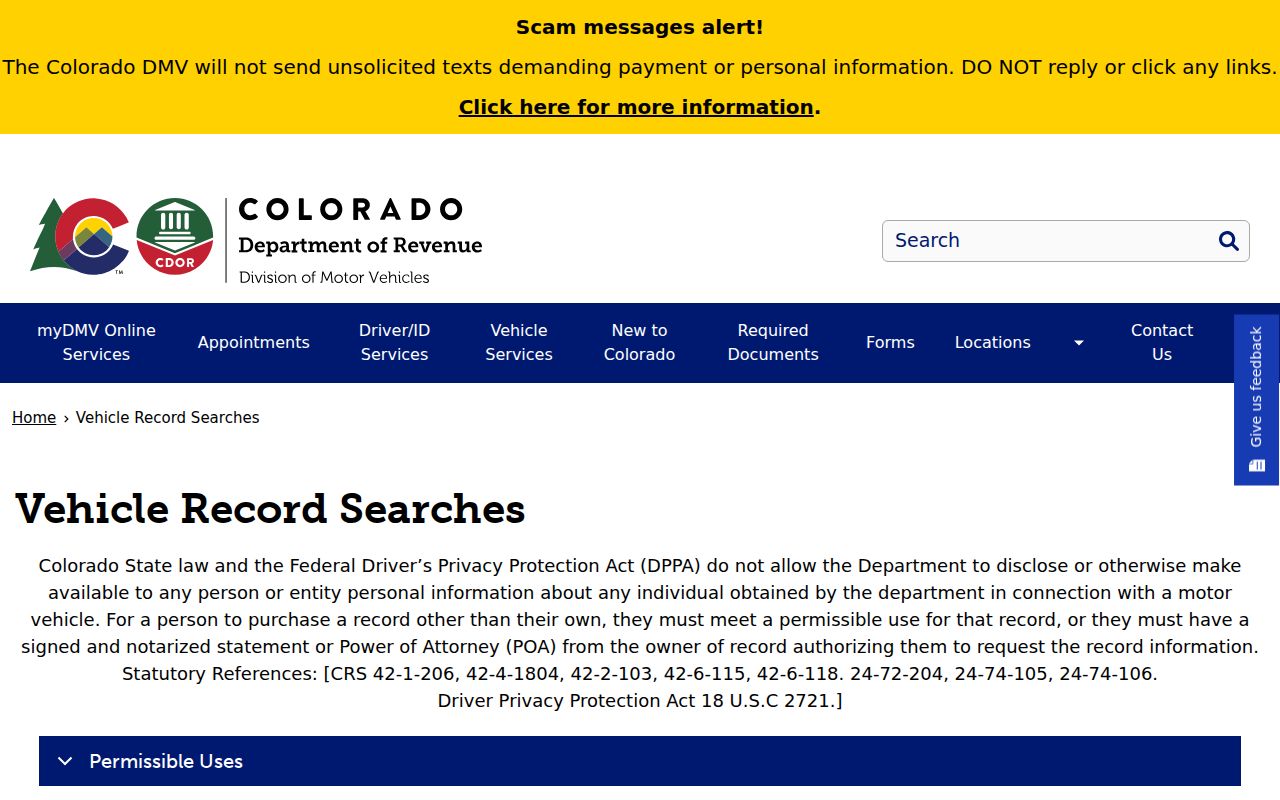
Different agencies can hold related records, but each custodian applies its own access law and request process.
Background Check Considerations
A Fremont County criminal court record lookup is not the same as a regulated employment, housing, insurance, or credit background report. Court records can be incomplete, restricted, corrected, sealed, or updated after a search. Anyone using criminal court data for a regulated decision must follow the Fair Credit Reporting Act and any other law that applies to the use. For personal research, verify the case number, court, defendant identity, final disposition, and sentence directly with the originating court record.
Important: Public case data should be verified with Fremont Combined Court before any high-stakes use.
Restricted Fremont Criminal Records
Not all Fremont County criminal court records are open in full. Juvenile matters are governed by the Children's Code and CJD 05-01. Suppressed and sealed cases may require government photo ID, and some files may not be available to the public at all. Protected personal information can be redacted, including Social Security numbers, financial account numbers, medical information, driver license numbers, passport numbers, and protected addresses. Search warrants may remain sealed while an investigation is active.
Municipal, county, district, sheriff, and state agency records should be checked through the correct office. The court file is the strongest source for plea, disposition, and sentence. The sheriff feed is useful for public arrest or warrant notices, but it warns that accused persons are presumed innocent and that content can change. Note: When the status is unclear, use the case number and ask the Clerk of Court for the current court record.